Reviewing the Cutting Board SVG Kitchen Quote
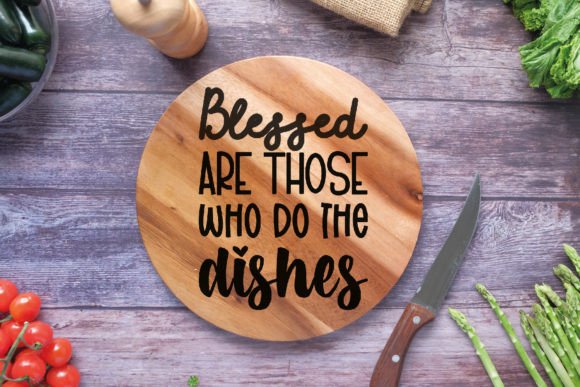
As a designer who has spent countless hours digitizing and testing files for real-world application, I approach every new asset with a critical eye. We are not just looking at pixels on a screen; we are visualizing how a design translates into thread, fabric, and ultimately, a tangible product. Today, I am evaluating the Cutting Board SVG Kitchen Quote Svg. While the title suggests a laser-cutting origin—referencing its use as a floral modern farmhouse svg for wooden signs or Glowforge projects—I am interested in its viability for embroidery. Can this graphic transition from wood to fabric? Let’s dig into the practical realities of using this design in a professional embroidery context.
First Impressions: Mood and Visual Personality
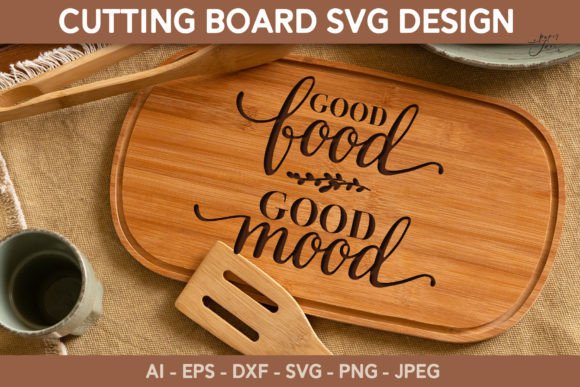
The immediate impression of this design is warm, inviting, and rooted in the popular "modern farmhouse" aesthetic. The phrase "Good food good mood" carries a universal appeal, making it an excellent candidate for kitchen-centric decor and apparel. Visually, the layout balances typography with floral elements. For an embroidery designer, this combination presents both opportunities and challenges. The floral accents suggest organic shapes that can soften the rigid lines of the text, creating a harmonious composition. However, the success of this balance depends entirely on how the details hold up when converted from vector paths to stitch paths.
In the realm of Crafts and Graphics, this design fits squarely into the category of lifestyle branding. It evokes feelings of home, comfort, and hospitality. When I look at this file, I do not just see a quote; I see a potential centerpiece for a boutique kitchen towel or a personalized apron. The visual personality is clean yet decorative, which is crucial for maintaining readability while adding artistic flair.
Real-World Application: From Screen to Stitch
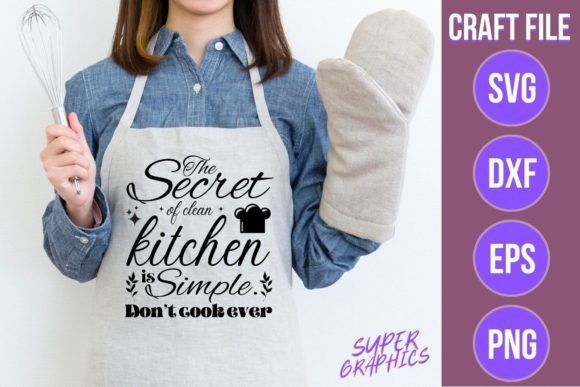
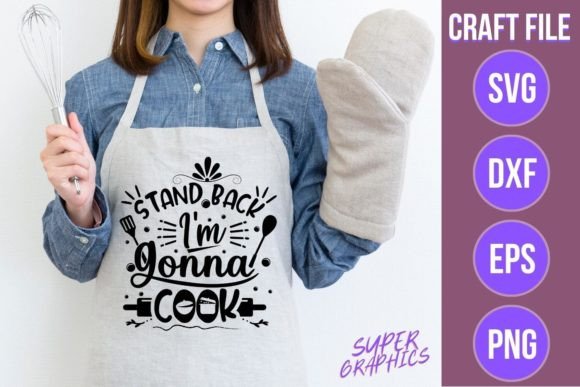
To truly evaluate the Cutting Board SVG Kitchen Quote Svg, I imagine a specific scenario. A client approaches me for a set of custom gifts for a housewarming party. They want something unique, high-quality, and reflective of the homeowners' love for cooking. I consider using this design on a set of high-waist linen aprons. This is a classic use case for a machine embroidery design that combines text and imagery.
When adapting this SVG for embroidery, the first step is understanding the source material. The product description notes that "Sometimes SVG designs when cutting them in a small size can be difficult to weed." This is a critical insight for embroiderers as well. In embroidery, "weeding" translates to managing stitch density and small, isolated elements. If the floral details are too intricate or the lettering too thin, they may not stitch out cleanly on textured fabrics. Therefore, this design is best suited for medium to large hoop sizes where the details can breathe. Attempting to shrink this down for a small pocket logo on a cap might result in lost detail and thread breaks.
For a tote bag design, this graphic would shine. Canvas provides a stable base for the fill stitch areas likely required for the floral elements. The contrast between the thread colors and the natural canvas tone would enhance the visibility of the "Good food good mood" message. Similarly, for sweatshirt embroidery, the design could serve as a central chest piece. However, one must be cautious with the fabric texture. Fleece or heavy cotton blends require adjusted tension and potentially a different underlay strategy to prevent the design from sinking into the nap of the fabric.
Navigating Technical Challenges
While the aesthetic is strong, the technical execution requires careful planning. Since this is originally marketed as a cutting file, it lacks inherent embroidery data such as stitch types, density, and sequencing. If you are purchasing this as a digital asset to convert yourself, you must be prepared to digitize it from scratch. If you are finding an already digitized version, you must verify its quality.
One major concern is the stitch density. Floral elements often require dense satin stitches or complex fill patterns to look solid. If the density is too high, the fabric may pucker, especially on lighter materials like tea towels or baby clothes. Conversely, if the density is too low, the backing fabric may show through, ruining the professional look of the finished product. I recommend running test stitches on scrap fabric identical to your final material. This allows you to check for registration issues, particularly where the flowers intersect with the text.
Another consideration is the choice of thread colors. The design’s charm lies in its simplicity. Using too many colors can clutter the look and increase production time. I suggest limiting the palette to two or three complementary shades. For a rustic feel, earthy tones like sage green, terracotta, and cream work beautifully. For a modern twist, high-contrast black and white can make the typography pop. Always test your color combinations in a printable mockup before threading the machine.
Commercial Viability and Brand Consistency
For Etsy sellers and small shop owners, the Cutting Board SVG Kitchen Quote Svg offers significant commercial potential. Kitchen-themed items are evergreen sellers. Whether it is a personalized gift for a wedding or a standard item in your craft business inventory, this design aligns with current market trends. However, brand consistency is key. If your shop specializes in minimalist designs, ensure the floral elements do not clash with your existing aesthetic. If your brand is more whimsical, this design fits perfectly.
Customer trust is built on quality. A poorly stitched design can damage your reputation. Ensure that the embroidery file you use is optimized for the specific garment. For example, baby embroidery requires softer threads and lower density to maintain comfort. Using a heavy-duty digitization meant for denim on a onesie will result in a stiff, uncomfortable product. Always prioritize the end-user experience.
Practical Designer Notes for Success
Before committing to a large production run, keep these practical tips in mind:
- Test on Scrap Fabric: Never skip this step. Check how the design behaves on the specific fabric texture you intend to use.
- Check Stabilizer Requirements: Use the appropriate stabilizer for your fabric. Cut-away stabilizer is often best for stretchy fabrics like t-shirts, while tear-away works well for woven materials like aprons.
- Verify Licensing: The product description mentions it is a graphic for cutting. Confirm whether the license allows for commercial use of embroidered finished goods. Some designers restrict the use of their SVGs for physical resale.
- Inspect Small Details: Zoom in on the floral elements. Are there tiny islands of color that might not stitch well? Consider simplifying these areas if necessary.
- Contrast is Key: Ensure there is sufficient contrast between the thread and the fabric. Test the design on both light and dark backgrounds to determine versatility.
In conclusion, the Cutting Board SVG Kitchen Quote Svg is a versatile design asset with strong appeal for kitchen and home-themed projects. While it originates in the world of laser cutting, its visual structure translates well to embroidery when handled with care. By paying attention to stitch density, fabric choice, and color contrast, you can create stunning custom apparel and home goods that resonate with customers. Whether you are creating a single holiday embroidery gift or stocking your small shop product line, this design offers a solid foundation for creative expression. Just remember to respect the technical limitations of the medium and always prioritize quality in your embroidery project execution.