Reviewing the "I Was Normal" Mom Design
As an embroidery designer who has spent years digitizing and testing files for real-world application, I approach every new machine embroidery design with a critical eye. It is not just about whether the image looks cute on a screen; it is about how those lines translate into thread, how the tension holds up on fabric, and whether the final finished product brings value to a customer. Recently, I evaluated the Funny Mom Quote Design, I Was Normal Two, and I want to share my practical insights on how this graphic performs in a professional setting.
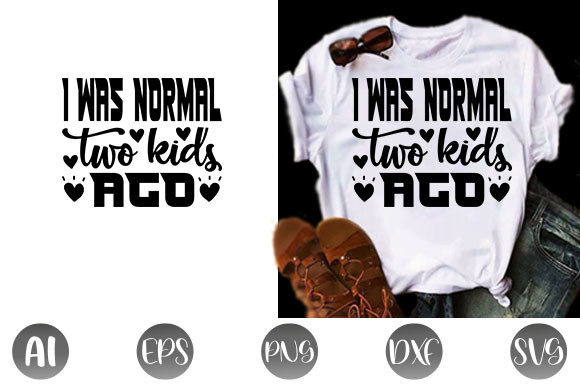
The first impression of this design is its relatability. The phrase "I was normal two kids ago" captures a specific, humorous mood that resonates deeply with parents. Visually, the layout is clean, relying on strong typography rather than complex imagery. For an embroiderer, this is often a double-edged sword. Text-heavy designs require precise digitizing to ensure legibility, especially when scaled down. However, the bold nature of this quote suggests it was intended for impact, making it a strong candidate for T-Shirt Designs and statement apparel.
Real-World Application: The Custom Sweatshirt Test
To truly understand the viability of this embroidery file, I imagined a common scenario for many Etsy sellers and craft business owners: creating a custom gift for a mother of two. I visualized stitching this design onto a mid-weight cotton blend sweatshirt. This is a popular item for personalized gift shops because it offers a large, flat surface area ideal for text.
In this context, the design shines. The humor acts as an immediate conversation starter, which increases the perceived value of the handmade product. When a customer sees this quote stitched cleanly on a high-quality garment, it feels bespoke and thoughtful. The simplicity of the text allows the stitch work to take center stage. If you are using a satin stitch for the lettering, the sheen of the thread adds a premium touch that printed graphics cannot replicate. This makes it an excellent choice for boutique branding where professionalism and attention to detail are paramount.
Versatility Across Product Lines
Beyond sweatshirts, this design demonstrates significant versatility. I considered how it would look on a canvas tote bag design. Here, the durability of embroidery is a major selling point. Unlike vinyl or screen printing, embroidered text withstands frequent washing and heavy use, which is essential for a mom’s daily carry-all. The stark contrast of white or cream thread against a natural canvas creates a rustic, chic aesthetic that appeals to modern consumers.
For those interested in baby embroidery or nursery decor, caution is advised regarding scale. While the sentiment is perfect for a new mom, the text length requires a sufficiently large hoop to maintain readability. If you attempt to shrink this too much for a small onesie or a tiny embroidered patch, the letters may merge, losing their clarity. In such cases, I recommend testing the design on scrap fabric first to determine the minimum viable size before committing to a final embroidery project.
The product description notes that the ZIP file contains EPS, SVG, PNG, and DXF files. This is crucial for multi-platform creators. While the embroidery aspect focuses on the stitched result, the inclusion of vector files like SVG and DXF means this asset can also be used for cut machines and vinyl applications. This versatility allows a small shop product line to remain consistent across different mediums. You might offer the same design as an iron-on vinyl decal for those without embroidery machines, broadening your customer base without needing to create new design assets from scratch.
Technical Considerations for Stitching Success
From a technical standpoint, working with text-based Graphics requires careful attention to stitch density and stabilizer selection. Since this is a quote, the density must be balanced. Too dense, and the fabric will pucker, especially on thinner materials like t-shirts. Too light, and the underlying fabric might show through, reducing the contrast and readability of the message.
I strongly advise using a cut-away stabilizer for garments that will be washed frequently, such as the aforementioned sweatshirts or custom apparel. For items like holiday embroidery projects on kitchen towels, a tear-away might suffice if the fabric is stable enough, but always test first. The texture of the fabric also plays a role. On textured fabrics like terry cloth or waffle knit, the fine details of the letters might get lost. In these cases, increasing the stitch count slightly or using a thicker thread can help the design pop.
Color choice is another critical factor. While the design likely comes with suggested thread colors, do not be afraid to experiment. High contrast is key for readability. Black thread on white fabric is classic, but consider navy on heather gray or burgundy on cream for a softer, more sophisticated look. Always check your design in a black-and-white mockup first to ensure the contrast holds up regardless of hue.
Navigating Licensing and Commercial Use
For commercial embroidery professionals, understanding the licensing terms is non-negotiable. The product description indicates these are digital clip art files suitable for scrapbooking and cut machines, but it does not explicitly detail the commercial rights for selling finished embroidered goods. Before listing this on your store or using it for client work, you must confirm the license. Some designers allow unlimited sales of physical items, while others may have restrictions or require an extended license for high-volume production.
Assuming the license permits commercial use, this design is a strong addition to a spring or Mother’s Day collection. It fits naturally into categories like wedding gifts for bridesmaids who are already mothers, or as a humorous touch for baby shower presents. The emotional connection buyers feel with the humor can drive higher engagement and conversion rates compared to generic floral or abstract patterns.
Final Verdict for Makers and Designers
The Funny Mom Quote Design, I Was Normal Two is a practical, engaging asset for any maker looking to add personality to their lineup. It works best on medium-to-large items where the text can breathe, such as tote bags, aprons, and adult-sized apparel. While it may not be suitable for tiny, intricate applications due to the nature of text legibility, its strength lies in its bold, relatable message.
By paying attention to stabilizer choice, thread contrast, and appropriate scaling, you can transform this digital file into a high-quality finished product that customers will love. Whether you are an experienced embroidery designer or a hobbyist starting your first craft business, this design offers a straightforward path to creating memorable, sellable items. Just remember to verify your file formats and licensing rights to ensure a smooth workflow from digitization to delivery.