Trauma Queen Nurse SVG: A Designer’s Embroidery Review
As a designer who spends more time staring at stitch simulations than I do sleeping, I have learned that not every cute graphic translates well to thread. We have all been there: you find a digital embroidery file that looks perfect on screen, only to realize once it hits the fabric that the details are too fine, the density is too high, or the layout fights against the garment’s seam. That is why I approach new assets with a critical eye. Recently, I pulled the Trauma Queen Nurse Quote Svg Bundle into my workspace to evaluate its potential for real-world embroidery projects. This isn’t just about whether it looks good; it is about whether it works for a craft business aiming for professionalism and durability.
First Impressions: Mood and Visual Personality
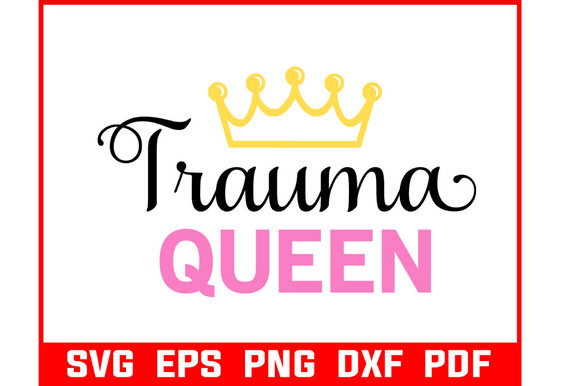
The first thing that strikes you about this bundle is its attitude. It captures a specific niche within the nursing community—those who work in high-stress trauma units and wear their resilience like a badge of honor. The design balances boldness with readability, which is crucial for custom apparel. When I opened the files, I was looking for clean lines and logical shapes. For an Etsy seller or small shop owner, clarity is currency. If a customer cannot read the quote from three feet away, the design has failed its primary purpose.
The visual personality here is confident. It does not rely on excessive flourishes that might complicate stitching. Instead, it leans into strong typography and clear iconography. This makes it versatile. It feels at home on a rugged canvas tote just as much as it does on a soft fleece sweatshirt. For designers, this adaptability is key. You are not locked into one product type. You can envision this across a range of Graphics applications, from printed mockups to actual stitched goods.
Real-World Application: From Screen to Stitch
To truly test the Trauma Queen Nurse Quote Svg Bundle, I imagined a specific scenario: creating a premium gift for a trauma nurse retiring after twenty years of service. The goal was a high-quality personalized gift that felt substantial, not cheap. I considered using it on a heavy-weight cotton tote bag. In this context, the design’s structure holds up well. The open spaces in the lettering allow the fabric texture to breathe, preventing that stiff, cardboard-like feel that plagues poorly digitized designs.
However, moving this design to a curved surface, like a baseball cap, requires caution. Caps are unforgiving. If the design is too wide, it distorts around the crown’s curve. I would recommend resizing the artwork carefully to fit within a standard 4x4 or 5x7 hoop, ensuring the text remains legible without stretching. For a sweatshirt embroidery project, the design shines. The contrast between the thread and the fuzzy fabric creates a nice tactile depth. Here, the bold lines of the SVG help maintain definition, ensuring the "Trauma Queen" message doesn’t get lost in the pile of the fleece.
For those interested in applique design techniques, this bundle offers interesting possibilities. While the primary files are cut-ready SVGs, a creative designer could use the shapes as a guide for fabric appliqué on a baby onesie or a nursery decor item. This reduces stitch count and adds a different textural element, making it suitable for baby embroidery where softness against sensitive skin is a priority.
Technical Considerations for the Embroiderer
Let us talk about the technical side. You will receive the following – 1 SVG File – 1 PDF File – 1 PNG File – 1 DXF File – 1 EPS File. It is important to note that these are vector and image formats, primarily intended for cutting machines or print-on-demand services. If you are planning to use this for machine embroidery, you will need to digitize it or convert it using specialized software. This distinction is vital for commercial embroidery workflows. Do not assume these files contain stitch data like PES or DST unless explicitly stated. Always check the license and file types before promising a client a quick turnaround.
If you are converting this for embroidery, pay close attention to stitch density. Bold fonts can become dense quickly. If you are using a fill stitch for large letters, consider adding underlay stitches to prevent puckering, especially on stretchy fabrics like jersey knits. For smaller details, a running stitch or column stitch might preserve the crispness of the design better than a heavy satin stitch. Always test your conversion on scrap fabric first. Check how the thread colors interact with the background. A white thread on a navy scrub top looks professional; the same thread on a light gray might vanish.
Stabilizer choice is non-negotiable. For a tote bag design on canvas, a tear-away stabilizer might suffice. But for a custom apparel piece made of thin tri-blend fabric, you will need a cut-away stabilizer to support the weight of the threads over time. This is what separates a hobbyist project from a small shop product that withstands frequent washing.
Navigating Fabric and Hoop Constraints
Where should you use this design carefully? Anywhere with limited space or difficult textures. Avoid placing it on highly textured towels unless you increase the stitch length to bridge the gaps in the fabric loops. On dark fabrics, ensure your digitizing includes proper underlay to prevent the background color from peeking through the topstitching. This is a common issue with holiday embroidery gifts where time is short and mistakes are costly.
Also, consider the hoop size. If you are working with a small 4x4 hoop, you may need to split the design or simplify the elements. Cramped stitching leads to broken needles and frustrated customers. For embroidered patch creation, this design works beautifully because patches allow for higher density and stiffer backing, giving the "Trauma Queen" title a structured, badge-like appearance.
Value Proposition for Craft Entrepreneurs
Why does this matter for your bottom line? Because recognition drives sales. Nurses love identifying with their specialty. A generic "Nurse" design is saturated. A "Trauma Queen" design speaks directly to a specific identity. This specificity builds customer trust and engagement. When a buyer sees a design that reflects their unique experience, they are more likely to purchase. It enhances the perceived value of your handmade product.
Furthermore, having multiple file formats (SVG, PDF, PNG, DXF, EPS) allows you to create cohesive branding. You can use the PNG for social media previews, the SVG for vinyl decals on water bottles, and the digitized version for embroidered scrubs caps. This versatility maximizes the return on your design assets. It allows you to offer a complete gift set, increasing your average order value.
Final Verdict and Practical Advice
The Trauma Queen Nurse Quote Svg Bundle is a strong contender for designers targeting the medical niche. Its strength lies in its bold, readable layout and emotional resonance. However, success depends on your execution. Do not skip the testing phase. Verify your thread colors against your fabric swatches. Ensure your digitizing respects the limitations of the material. Whether you are creating a printable mockup for your online store or stitching a final finished product for a local craft fair, attention to detail is what elevates your work.
Remember, while these files are excellent for Crafts and digital design, always confirm licensing terms for commercial use. Respect intellectual property, and you will build a sustainable, reputable brand. Use this bundle to create items that nurses are proud to wear and gift-givers are proud to give. That is the mark of a successful embroidery project.