Reviewing the Autism Quote Design: Be Kind
As an embroidery designer who has spent countless hours digitizing and stitching out quotes for clients, I approach every new machine embroidery design with a critical eye. It is not just about whether the file opens correctly; it is about how the design translates from a digital screen to actual thread on fabric. Recently, I evaluated the Autism Quote Design,Be Kind to determine its viability for real-world projects. This is not a generic graphic; it is a statement piece that requires careful handling to ensure the message lands with the warmth and clarity it intends.
First Impressions and Visual Personality
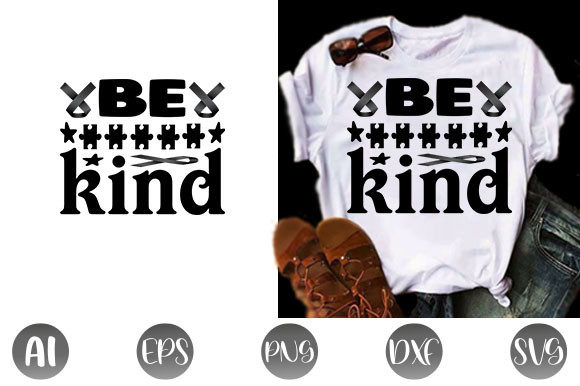
The first thing that strikes you about the Autism Quote Design,Be Kind is its inherent simplicity. In the world of T-Shirt Designs and apparel decoration, complexity often leads to stitching errors. This design, however, relies on clean lines and legible typography. The mood it creates is one of gentle advocacy. It does not shout; it invites. For an embroidery project, this is crucial. When you are stitching a message about kindness, the visual personality should reflect patience and care.
The layout appears balanced, avoiding overly dense clusters of text that can cause puckering. As Graphics go, it is versatile. It does not rely on intricate shading or gradient fills, which makes it an excellent candidate for both beginners and seasoned professionals. The shape of the letters suggests a modern, approachable aesthetic that fits well within the current trends of minimalist handmade goods.
Real-World Application: The Tote Bag Test
To truly understand how this design performs, I imagined a specific scenario: creating a custom embroidered tote bag for a local awareness event. Tote bags are typically made from canvas or heavy cotton, fabrics that have a distinct texture. When I visualized the Autism Quote Design,Be Kind on this material, I considered the interplay between the thread and the weave.
For a project like this, the design’s lack of excessive detail is a strength. On textured fabrics, fine details can get lost or look messy. This quote, with its clear structure, would stand out beautifully against a natural linen or a dyed canvas. It transforms a simple handmade product into a meaningful personalized gift. Whether used for a boutique product line or a small shop merchandise display, the design holds its own without needing elaborate embellishments.
Versatility Across Product Lines
Beyond tote bags, this design shows promise in several other areas. For sweatshirt embroidery, the design would need to be scaled appropriately to avoid looking cramped on the chest or overwhelming on the back. The clean lines suggest it would work well with a satin stitch border or a simple fill stitch, depending on the desired thickness. For baby embroidery, such as on a onesie or a soft blanket, the gentle message aligns perfectly with the recipient. However, one must be cautious with scale. Baby items have limited surface area, so ensuring the text remains legible at a smaller size is key.
I also see potential for this design in home decor, such as pillow covers or kitchen towels. A holiday embroidery project featuring this quote could serve as a thoughtful gift during awareness months. For Etsy sellers and craft business owners, having a design that works across multiple categories increases its value. It allows for consistent branding across different design assets, from apparel to home goods.
Technical Considerations and Stitching Clarity
While the design is visually appealing, practical embroidery requires technical scrutiny. One major consideration is stitch density. Since the provided files include EPS, SVG, PNG, and DXF formats, it is important to note that these are primarily vector and image files, not necessarily native machine embroidery formats like PES or DST. This means the user will likely need to digitize the design themselves or use software to convert it. This step is critical. Without proper digitizing, the thread colors may not lay flat, and the text could become distorted.
If you are converting this from an SVG or EPS file, pay close attention to the underlay stitches. For lettering, a proper underlay ensures that the top stitches sit smoothly on the fabric. I recommend testing the design on scrap fabric first. Check how the running stitch outlines hold up against the fill areas. If the design includes any decorative elements, ensure they do not create excessive pull on the fabric, especially if you are working with stretchy materials.
Fabric and Hoop Constraints
Where should you use this design carefully? Small hoop sizes can be tricky. If you are working with a 4x4 inch hoop, you may need to reduce the size of the quote, which could compromise legibility. Always confirm your hoop size before starting. Additionally, textured fabrics like terry cloth or waffle knit can obscure fine lines. On these materials, consider using a thicker thread or adjusting the stitch type to a bolder satin stitch to maintain visibility.
Dark fabrics present another challenge. If you are stitching light-colored thread on a dark background, ensure there is enough contrast. Sometimes, a backing stabilizer in a contrasting color can help highlight any gaps in the stitching during the process. For curved surfaces like caps, the design must be centered perfectly. Any distortion in the lettering will be immediately noticeable on a structured hat.
Enhancing Brand Value and Customer Trust
For commercial embroidery professionals, the quality of the finished product directly impacts customer trust. A cleanly stitched quote conveys professionalism. When a customer receives a custom apparel item with crisp, even stitching, they are more likely to return for future purchases. The Autism Quote Design,Be Kind supports this by offering a clear, readable message that resonates emotionally. It enhances the giftability of the item, making it suitable for weddings, birthdays, or awareness campaigns.
Using this design in your portfolio can also improve brand consistency. If your shop focuses on meaningful, message-driven products, this quote fits seamlessly. It allows you to create cohesive printable mockup previews for your online store, showing customers exactly how the final item will look. This transparency builds buyer engagement and reduces hesitation.
Practical Designer Notes for Best Results
Before committing to a large batch of production, follow these practical steps:
- Test on Scrap Fabric: Always stitch out a sample on the same type of fabric you plan to use for the final product. This helps identify any tension issues or puckering.
- Check Thread Contrast: Ensure your thread colors stand out against the fabric. High contrast improves readability, which is essential for quote-based designs.
- Review Stitch Density: If you are digitizing the file yourself, adjust the density to suit the fabric weight. Heavy denim can handle denser stitches, while lightweight cotton requires a lighter touch.
- Use Proper Stabilizer: Choose a stabilizer that matches the fabric. Cut-away stabilizers are best for stretchy fabrics, while tear-away works well for woven materials.
- Confirm Licensing: Since the package includes various digital formats, verify the license terms. Ensure you have the right to use the design for commercial purposes if you plan to sell finished items.
- Inspect Small Details: Zoom in on the digital file to check for any jagged edges or broken paths, especially if converting from SVG to embroidery format.
In conclusion, the Autism Quote Design,Be Kind is a strong candidate for a variety of embroidery projects. Its simplicity allows for versatility, while its message adds emotional value. By paying attention to technical details like digitizing, stabilizer choice, and fabric compatibility, you can create high-quality finished products that resonate with customers. Whether you are an Etsy seller looking to expand your catalog or a hobbyist creating gifts, this design offers a solid foundation for meaningful craftsmanship.